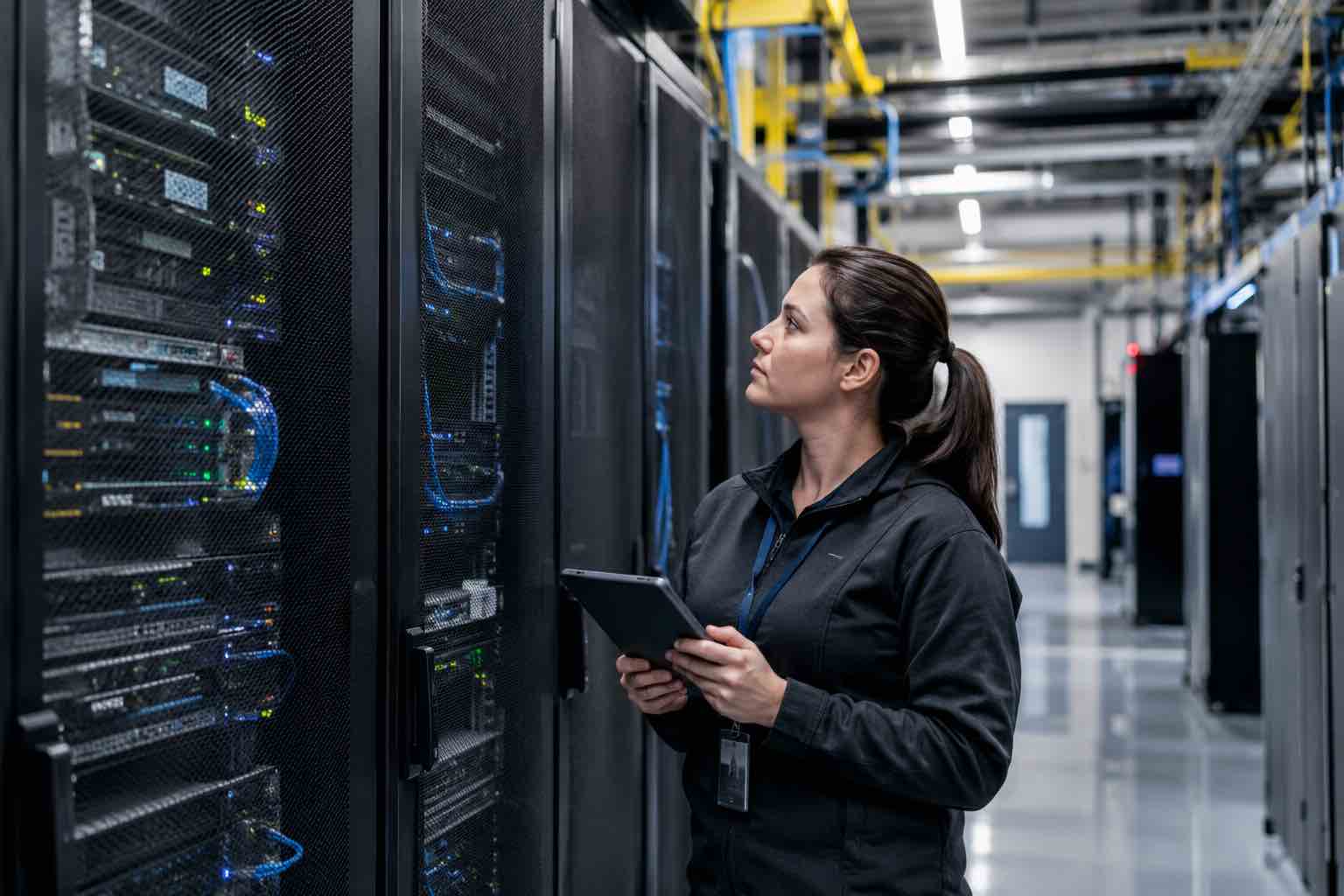
Electrical faults, battery system failures, and human error are three significant sources of fire risk in data center environments. Understanding how these common causes of data center fires occur helps facility managers identify vulnerabilities, making for stronger fire protection strategies.
Top 3 Common Causes for Data Center Fires
Data centers support the digital services businesses depend on every day, from cloud computing and financial transactions to artificial intelligence. However, the electrical infrastructure, backup power systems and continuous operations that keep these facilities running also create fire hazards. Even a small fire can damage sensitive equipment, interrupt operations and lead to costly downtime.
Learn more about the top causes of data center fires and what you can do to prevent them.
1. Electrical Faults and Overheating
Electrical faults are an important fire risk in data centers, where power distribution equipment, servers and cooling systems operate continuously. As facilities expand to accommodate growing computing demands, existing electrical infrastructure may face additional strain.
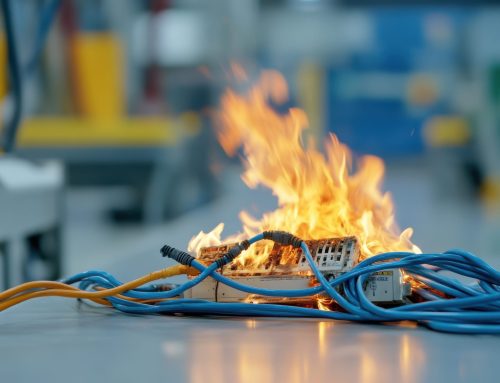
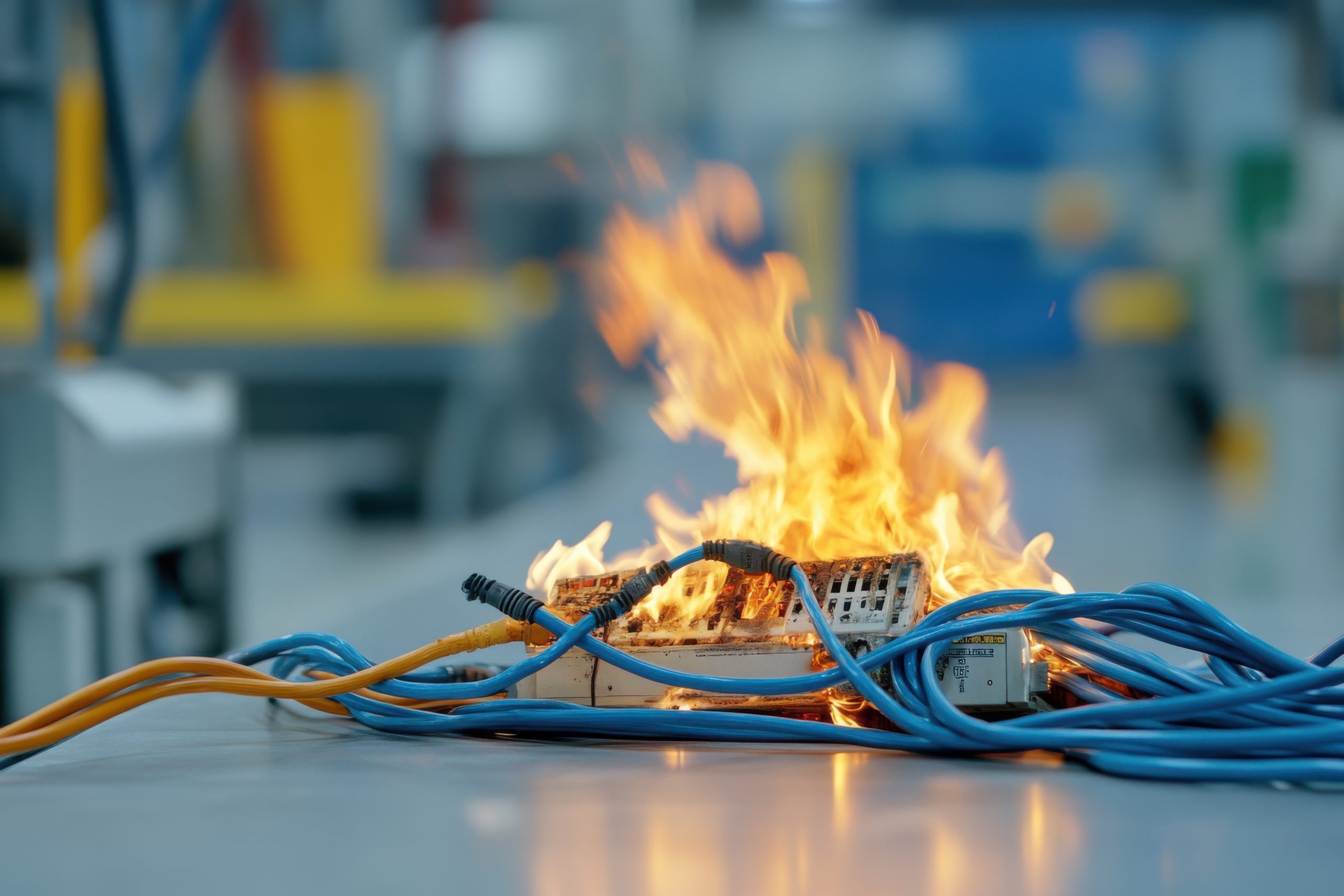
Loose connections, damaged wiring, overloaded circuits, and faulty electrical components can generate excessive heat or electrical arcing. If these conditions go undetected, they can ignite nearby combustible materials, including cable insulation and equipment components.
Routine electrical inspections and preventive maintenance help identify potential problems before they develop into fire hazards. Facility managers should also reassess electrical capacity when adding servers, upgrading equipment or expanding operations. Changes in power demand can introduce new risks if the existing infrastructure cannot safely accommodate them.
2. Battery Systems and Backup Power
Uninterruptible power supply (UPS) systems and backup batteries help data centers maintain operations during power interruptions. However, these systems introduce additional fire hazards when batteries are damaged, improperly installed or exposed to excessive heat.
Lithium-ion batteries can experience thermal runaway, a condition in which an internal failure triggers an uncontrolled rise in temperature. This can lead to fire, hazardous gas release and the spread of heat to neighboring battery cells. Other battery technologies also present fire risks when improperly maintained or installed.
Data center operators should evaluate battery installations as part of their overall fire protection strategy. Appropriate monitoring, maintenance, detection, and ventilation can help address developing hazards. When building a fire protection plan, it’s important to consider battery chemistry, system design, and potential for fire spread.
3. Human Error and Operational Changes
Not all data center fires begin with equipment failure. Human error can contribute to fire incidents when employees or contractors perform electrical work incorrectly, bypass safety procedures, or make unauthorized changes to critical systems.
Poor housekeeping and inadequate maintenance can also increase fire risk. Even routine upgrades may introduce new hazards if established procedures are overlooked or fire protection systems are disrupted.
Staff training and clear maintenance protocols help reduce these risks. Facility managers should also reassess fire protection requirements whenever changes to equipment or electrical demand introduce new hazards.
How Can Data Centers Reduce Fire Risks?
Preventing data center fires requires a comprehensive approach that addresses electrical infrastructure, battery systems, and daily operations. Regular inspections, preventive maintenance, and employee training are key steps in reducing the risk of data center fires.
Fire detection and suppression systems should ideally reflect the facility’s equipment, layout, and specific hazards. As data centers expand or introduce new technologies, fire protection systems may need to be reassessed to accommodate these changing conditions.
Working with an experienced fire protection provider helps facility managers evaluate existing fire protection systems in place and identify areas for improvement.
Protect Your Data Center with Fire Systems
Fire Systems helps businesses evaluate their fire protection needs and maintain systems designed to protect people, property, and business operations. Whether you’re planning a facility expansion or reviewing your existing fire protection measures, a professional assessment can help identify potential vulnerabilities.
Contact Fire Systems to discuss your facility’s fire protection requirements and develop a fire protection strategy that addresses your data center’s specific risks.
Frequently Asked Questions About Data Center Fires
What are the common causes of data center fires?
Electrical faults, battery system failures, and human error are significant sources of fire risk in data centers. The specific causes vary depending on the facility and equipment as well as overall operating conditions.
Can lithium-ion batteries cause data center fires?
Yes. Damaged or malfunctioning lithium-ion batteries can experience thermal runaway, which may result in fire, hazardous gas release, or heat transfer to nearby cells.
How can data centers prevent fires?
Data centers can reduce fire risks through electrical inspections, battery monitoring, preventive maintenance, employee training, and appropriately designed fire detection and suppression systems.
Why is fire protection important in data centers?
Data centers contain sensitive equipment and support services that businesses rely on continuously. Effective fire protection helps reduce the potential for equipment damage and operational disruption.