As facilities expand, change processes, or introduce new equipment, fire risks can change as well. Conducting a fire protection risk assessment helps facility owners and plant managers identify potential fire hazards, evaluate existing protection systems, and determine where improvements may be needed.
Taking a structured approach in the form of a risk assessment can help identify gaps before they lead to failed inspections or costly business interruptions.
Key Takeaways
- A fire protection risk assessment should account for your facility’s current operations and hazards.
- Changes in storage, equipment, or manufacturing processes can affect fire protection requirements.
- Existing fire protection systems should match the hazards they protect.
- Regular inspections and assessments can help identify issues before an emergency occurs.
Step 1: Identify Changes Within Your Facility
Start by reviewing how your facility operates today. Your fire protection systems may have been designed for conditions that no longer exist.
Ask:
- Have we added new equipment or production processes?
- Has the amount or type of material we store changed?
- Have we expanded or changed the layout of the facility?
- Are new chemicals or combustible materials part of daily operations?
Even small operational changes can affect your facility’s hazard classification and fire protection needs.
Step 2: Evaluate Potential Fire Hazards
Next, identify the specific conditions that could contribute to a fire or allow one to spread.
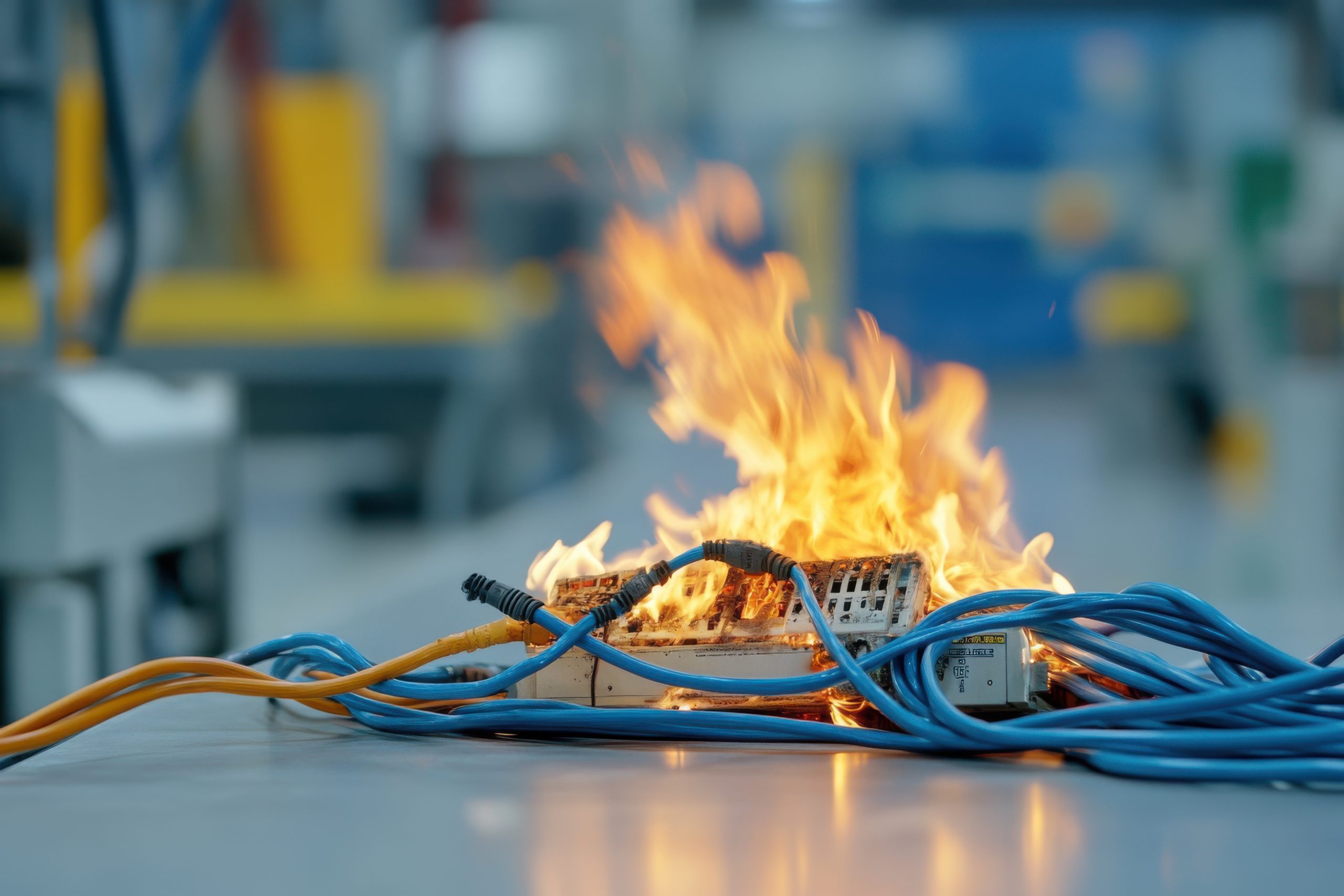
Look at ignition sources, combustible materials, and areas where fire could grow quickly. Pay particular attention to manufacturing equipment, electrical systems, storage areas, and processes particularly involving flammable materials.
Ask: What are the most likely sources of ignition, and what materials could fuel a fire?
The answer can help determine whether your current fire protection strategy addresses the hazards present.
Step 3: Review Your Existing Fire Protection Systems
A fire protection risk assessment should include a review of the systems already installed throughout your facility.
Consider:
- Fire sprinkler systems
- Fire alarms and detection systems
- Special hazard suppression systems
- Fire extinguishers and other equipment
Ask: Do your current systems match the hazards and layout of your facility today?
A system designed for a previous occupancy or hazard level may not provide the same level of protection after operational changes.
Step 4: Review Inspection and Maintenance Records
Fire protection equipment requires regular inspection, testing, and maintenance.
Review your records and ask: Are inspections current, and have identified deficiencies been corrected?
Recurring deficiencies or overdue inspections may reveal weaknesses that deserve further evaluation.
Step 5: Consult a Fire Protection Professional
A qualified fire protection professional can help evaluate your facility, identify potential concerns, and determine whether changes to your systems are necessary.
A professional assessment can also help facility owners understand applicable codes and how changes to operations will affect compliance.
Schedule a Fire Protection Risk Assessment with Fire Systems
Has your facility changed since your fire protection systems were last evaluated?
New equipment, expanded storage, production changes, and new materials can all affect your facility’s fire risk and protection requirements.
Fire Systems can help facility owners and plant managers evaluate their fire protection needs and identify potential concerns to develop solutions that support code compliance and property protection.
Contact Fire Systems today to schedule a fire protection risk assessment and discuss your facility’s current fire protection needs.
Call 770-333-7979 or contact Fire Systems online.
Frequently Asked Questions
What is a fire protection risk assessment?
A fire protection risk assessment is a structured evaluation of a facility’s fire hazards, potential risks, and existing fire protection measures.
How often should a facility conduct a fire protection risk assessment?
Facilities should reassess fire risks when significant changes occur, such as new equipment, expanded storage, or changes to manufacturing processes. Regular reviews can also help identify changing risks over time.
Who should conduct a fire protection risk assessment?
Facility owners and plant managers can review operational risks internally, but a qualified fire protection professional can provide additional expertise when evaluating fire protection systems, hazards, and code requirements.
What happens if my facility’s fire hazards change?
Changes in hazards may affect your fire protection requirements. Reviewing your systems after operational changes can help determine whether your existing protection still matches your facility’s current risks.