

Search fire protection topics:

Everything You Need to Know About Vehicle Fire Suppression
At Fire Systems Inc, we've been installing, repairing, and inspecting [...]
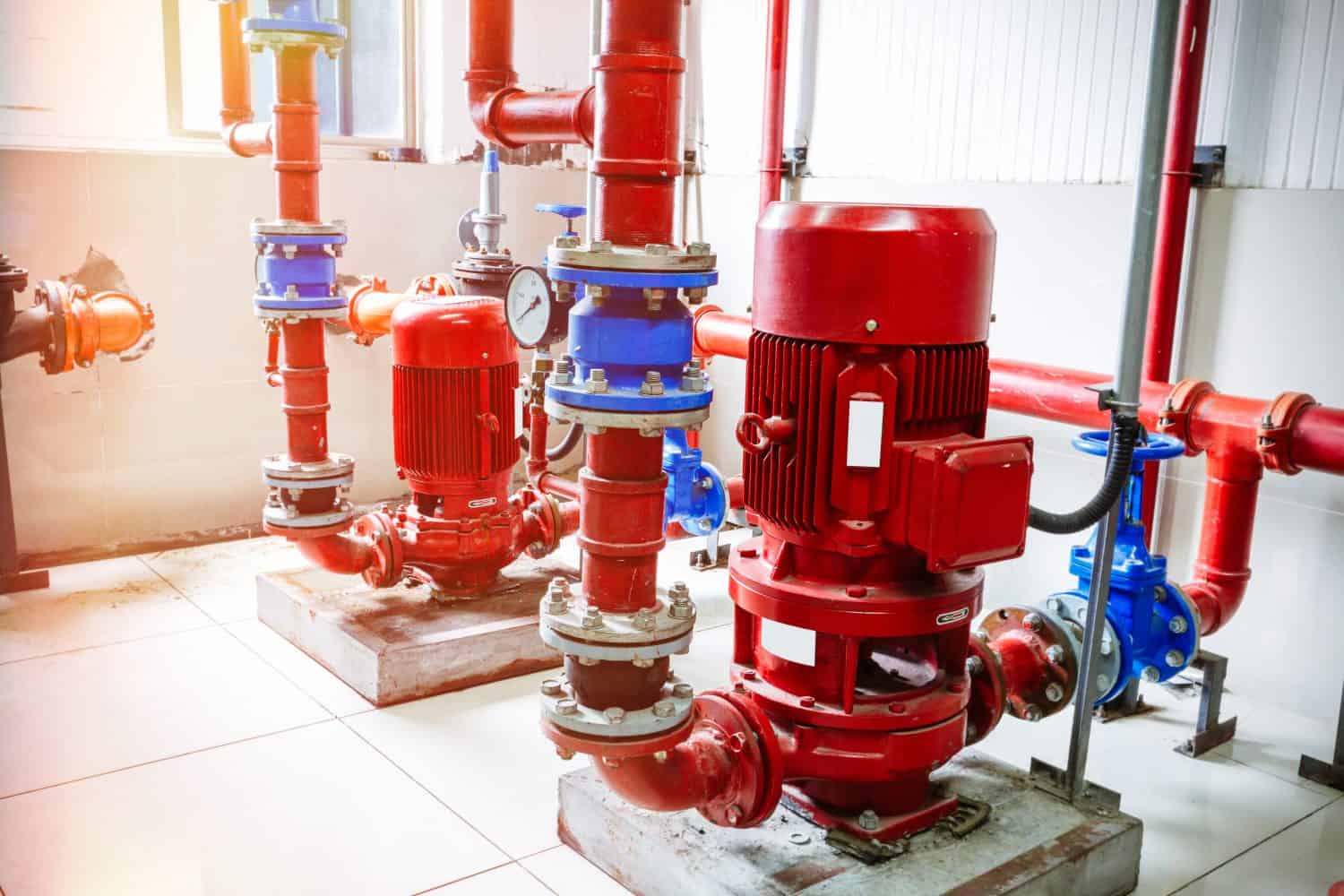
How to Maintain Your Fire Pump
Maintaining and inspecting your fire pump(s) properly can help detect [...]

CO2 versus Other Clean Agents
What is a Clean Agent? A clean agent is considered [...]

Fire Systems Named ANSUL Diamond Distributor for Second Consecutive Year
Smyrna, GA- Fire Systems Inc. was named a 2017 ANSUL [...]
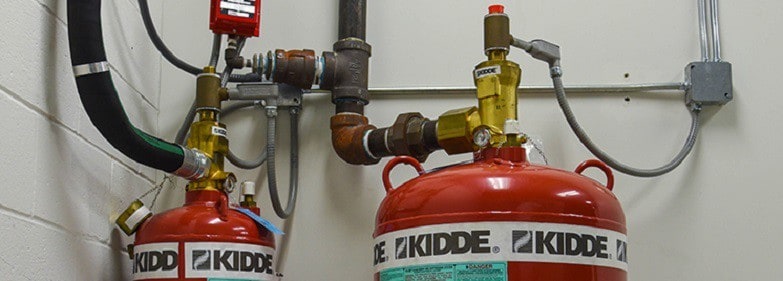
Why Clean Agents Are Preferable to Preaction Systems
Clean Agent System versus Preaction System Both Clean Agent and [...]
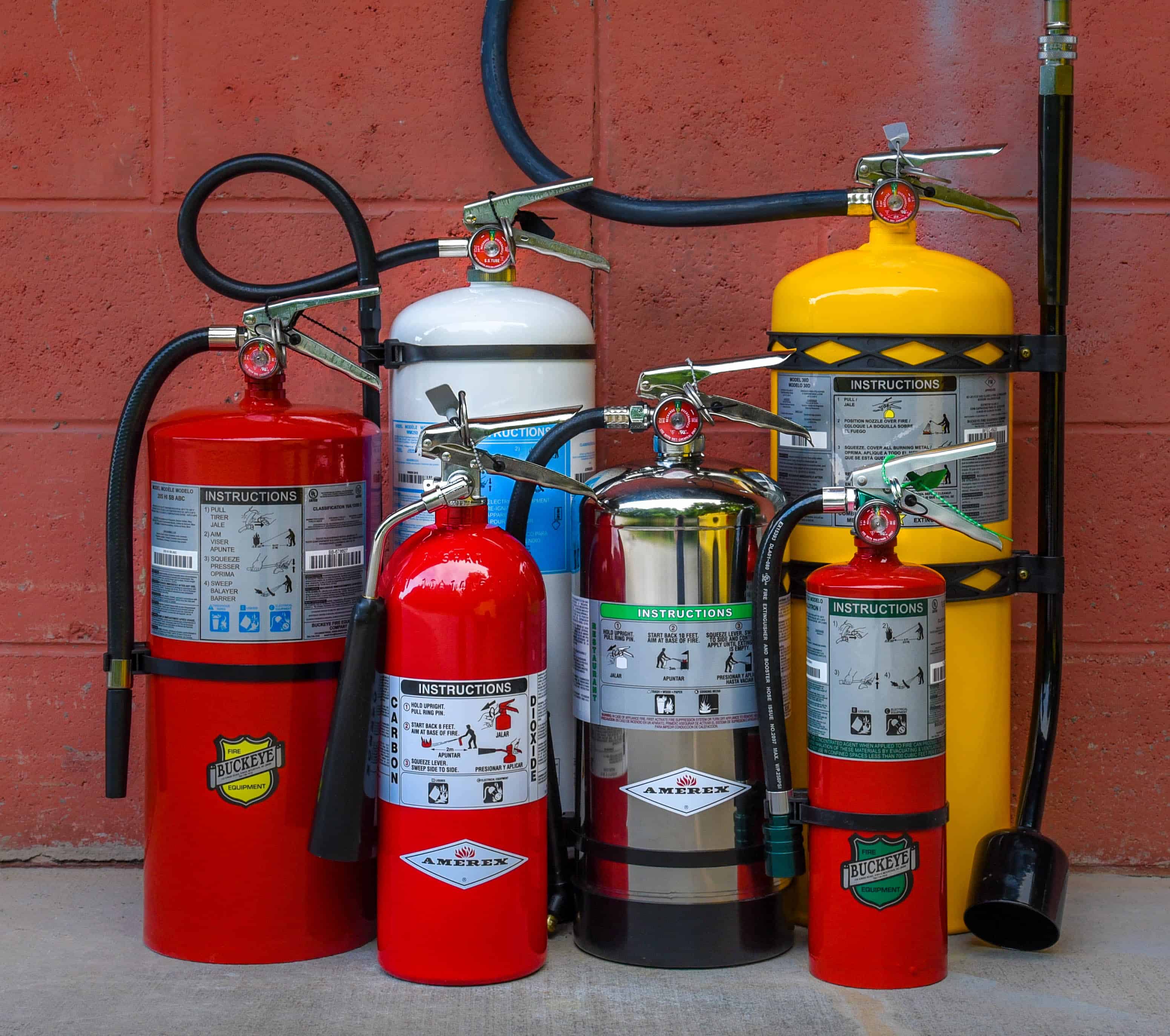
How to Clean Up Fire Extinguisher Residue
Portable fire extinguishers can really come in handy in the [...]

Types of Fire Sprinkler Heads
Fire sprinkler heads have been around for decades and have [...]

New App Helps Keep Track of Employees During Emergencies
What is Sanctuary? Sanctuary, is a new mobile app that [...]

5 Fire Protection Terms You Should Know
1. FACP (Fire Alarm Control Panel) A Fire Alarm [...]

10 Tips for Using a Fire Extinguisher
10 Tips for Using a Fire Extinguisher Before using [...]

Top Fire Hazards for Commercial Vehicles
Vehicle fires are the third leading type of fire and [...]
Everything You Need to Know About Fire Extinguishers
Portable fire extinguishers are used to smother hundreds of [...]
Join Our Community

🚨 Could your facility have fire hazards you’re overlooking?
Industrial fire risks aren’t always obvious. Some can develop gradually as your facility changes, equipment ages, or day-to-day operations evolve.
Five commonly overlooked hazards include:
🔥 Combustible dust
⚡ Electrical rooms and equipment
📦 Changes to storage
🔥 Hot work
⚙️ Overheating machinery
Even if your facility already has fire sprinklers and other protection systems, changes to your operations can introduce new risks that weren’t present when those systems were designed.
How often do you evaluate your facility for new or changing fire hazards?
Read the full article: ow.ly/TCfV50ZVtCs
#IndustrialSafety #FireProtection #FireSafety #FacilityManagement #FirePrevention#AtlantaFireProtection#AtlantaFireProtectionCompany#hazardChange

5 Commonly Overlooked Industrial Fire Hazards - Fire Systems, Inc.
ow.ly
Industrial facilities face a wide range of potential fire hazards, from production equipment and electrical systems to combustible materials and changing storage conditions. Some risks, however, can b...
🚧 Changing the way you store materials can change your fire protection requirements.
Warehouse storage changes involving rack configuration, commodity classification, or storage height can affect the fire hazard inside your facility. If those changes exceed the conditions your existing sprinkler system was designed to handle, you may need to make upgrades to maintain adequate protection and meet applicable requirements.
Before increasing storage heights, changing rack configurations, or bringing new materials into your warehouse, find out whether your fire sprinkler system can handle the new conditions.
Our latest article explains what warehouse operators need to know about:
✔ Rack storage
✔ Commodity classification
✔ Storage height
✔ Fire sprinkler system requirements
✔ When storage changes may require an upgrade
👉 Read the full article: firesystems.net/2026/09/24/why-warehouse-storage-changes-often-trigger-fire-protection-upgrades/
#warehouse #firesprinklermaintenance #fireprotection #warehousesafety #NFPA13 #FireCodeCompliance #FacilityManagement #IndustrialSafety and #WarehouseStorage
Why Warehouse Storage Changes Often Trigger Fire Protection Upgrades - Fire Systems, Inc.
firesystems.net
When warehouse operators change the way they store materials, they may find that their existing fire sprinkler system is no longer adequate for the new setup. Warehouse storage changes involving produ...
🚨 Has your facility changed since your fire protection systems were installed?
New equipment, expanded storage, changes to production processes, or new materials can all affect your facility’s fire risk and protection requirements.
A fire protection risk assessment can help identify potential hazards, evaluate your existing systems, and uncover issues before they lead to failed inspections, costly modifications, or business interruptions.
Our latest article walks facility owners and plant managers through the key steps of conducting a fire protection risk assessment.
👉 Read the full article: ow.ly/5oro50ZMupN
#FireSafety #FacilityManagement #FireCodeCompliance #IndustrialSafety #FireSprinklers #SafetyFirst #RiskAssessment #BusinessSafety #AtlantaBusiness #BuildingSafety #WorkplaceSafety #Compliance #FirePrevention #SafetyTips
How to Conduct a Fire Protection Risk Assessment for Your Facility - Fire Systems, Inc.
ow.ly
As facilities expand, change processes, or introduce new equipment, fire risks can change as well. Conducting a fire protection risk assessment helps facility owners and plant managers identify potent...
💧 Does water-based fire protection put data centers at risk?
It’s a common concern. Sensitive servers and electrical equipment don't mix well with water, but that doesn't mean data centers should go without automatic sprinkler protection.
Modern data center #fireprotection uses a layered approach that may include very early smoke detection, clean agent suppression, and specialized pre-action #sprinklersystem.
Pre-action systems can help minimize the risk of accidental water discharge by keeping water out of the sprinkler piping until the system's activation sequence is initiated.
Check out the full article for more information: firesystems.net/2026/08/22/why-water-isnt-always-the-enemy-in-data-center-fire-protection/
#fireprotectioncompany#firesafety#datacenter#serverroom#preactionsystem#sprinklerinstallation#SprinklerSystemRepair
Why Water Isn't Always the Enemy in Data Center Fire Protection - Fire Systems, Inc.
firesystems.net
Data centers house mission-critical equipment that supports everything from cloud computing to financial transactions. Because of the value of this equipment, many facility managers might think that w...


