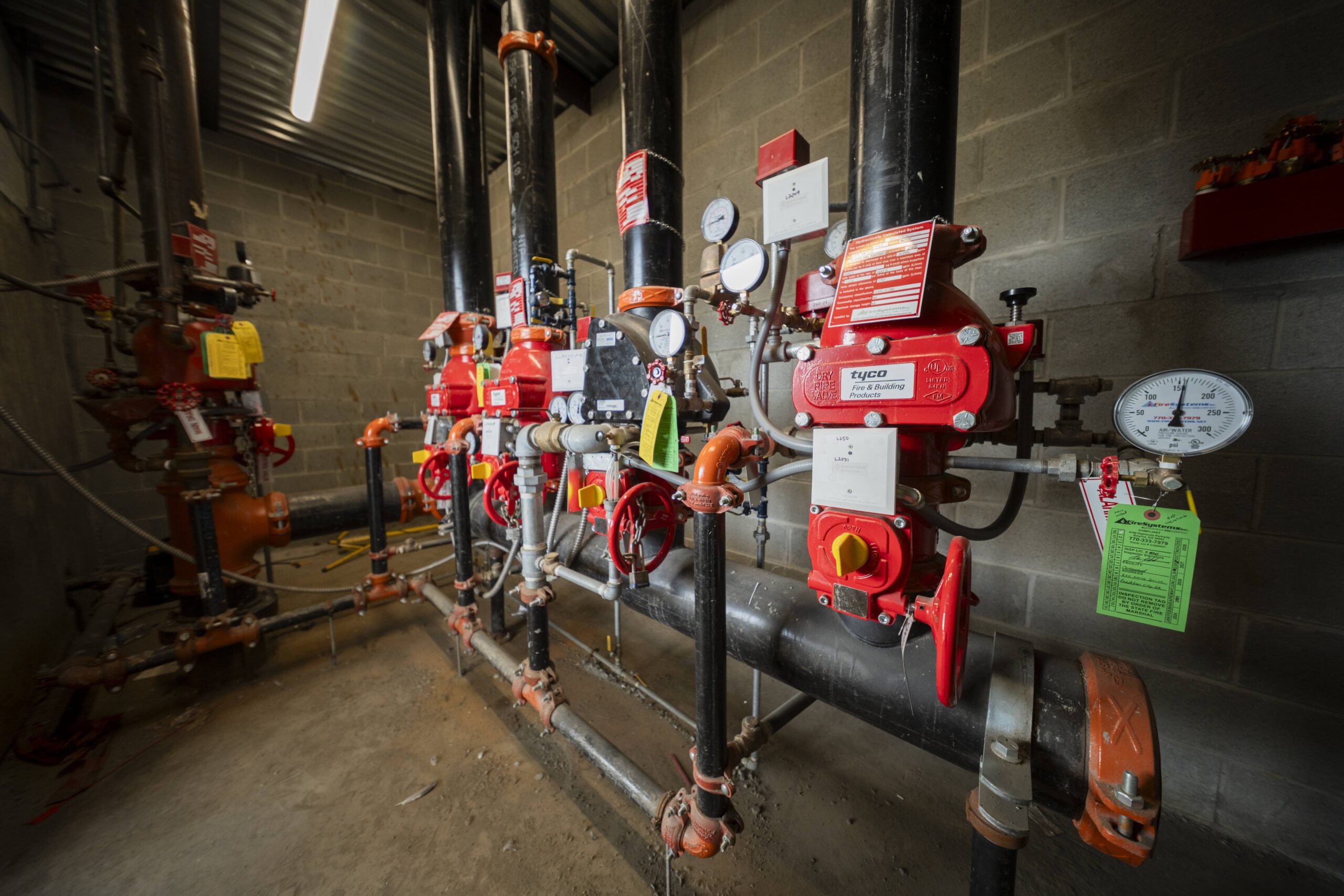
Your manufacturing facility may have outgrown its original fire sprinkler system without you realizing it.
Production lines expand, warehouse storage grows, equipment is upgraded, and new materials become part of daily operations. While these changes improve productivity, they can also change your facility’s fire risk and affect how your fire sprinkler system should be designed.
Many facility managers assume their sprinkler system will continue providing adequate protection as operations change. However, modifications to manufacturing processes, storage configurations, combustible materials, or equipment can alter your hazard classification.
If your sprinkler system no longer reflects your facility’s current fire risk, it could affect fire protection performance, code compliance, inspections, and insurance evaluations.
Understanding hazard classification is one of the most important steps in protecting employees, equipment, inventory, and business continuity.
Key Takeaways
- Hazard classification determines how a fire sprinkler system is designed.
- Manufacturing and industrial facilities should review their hazard classification whenever operations change.
- Changes to storage, equipment, or manufacturing processes may require updates to your sprinkler system.
- Regular fire protection assessments help ensure your system continues to protect your facility as intended.
What Is Hazard Classification?
Hazard classification is the process of evaluating a facility’s expected fire risk based on its operations, stored materials, manufacturing processes, and combustible fuel load. Under NFPA 13, fire sprinkler systems are designed according to the hazards present within a facility, not simply the type of business occupying the building.
As fire hazards increase, sprinkler systems require greater water density, different sprinkler spacing, larger pipe sizes, and more detailed hydraulic calculations. Proper hazard classification helps ensure a sprinkler system can control or suppress the type of fire most likely to occur within a facility.
Understanding Hazard Classifications in Manufacturing Facilities
While NFPA 13 defines several occupancy hazard classifications, manufacturing and industrial facilities most commonly fall into the following categories.
| Hazard Classification | Typical Manufacturing & Industrial Applications | Relative Fire Risk |
| Light Hazard | Administrative offices within manufacturing facilities | Low |
| Ordinary Hazard Group 1 | Maintenance shops, mechanical rooms, light assembly areas | Moderate |
| Ordinary Hazard Group 2 | Machine shops, fabrication facilities, manufacturing operations | Moderate to High |
| Extra Hazard | Chemical processing, paint spraying, plastics manufacturing, flammable liquid storage, high-hazard industrial processes | High |
A facility’s hazard classification depends on how the building is used today, not how it was originally designed.
For example, a manufacturing plant that expands palletized storage, installs automated production equipment, or begins storing flammable liquids may require a different sprinkler system design than when it first opened.
How Hazard Classification Influences Fire Sprinkler Design
A facility’s operations determine its hazard classification, which directly affects how its fire sprinkler system must be designed. As manufacturing processes change, so do the fire risks. These changes may require a different sprinkler density, larger water supply, specialized sprinkler heads, or additional fire protection measures to remain code compliant.
| If Your Facility Changes… | Your Fire Protection System May Need… |
| Higher combustible storage | Increased sprinkler density and water demand |
| New manufacturing equipment | Larger pipe sizing or hydraulic recalculations |
| Flammable liquid or aerosol use | Specialized sprinkler protection and additional suppression systems |
| Plastic packaging or combustible materials | Higher hazard classification and upgraded sprinkler design |
| Expanded production or warehouse space | Additional sprinkler coverage and system modifications |
Ignoring these operational changes can leave a facility under protected, increase the likelihood of failed inspections, and create significant insurance issues. Before expanding production, introducing new materials, or modifying storage practices, have your fire protection system evaluated to confirm it still matches your facility’s hazard classification.
Common Hazard Classification Mistakes in Manufacturing Facilities
Manufacturing operations rarely remain static, yet fire sprinkler systems are often left unchanged for years. As facilities expand or production evolves, the original hazard classification may no longer reflect current conditions.
Your facility doesn’t necessarily need to undergo a major renovation for its hazard classification to change. Increasing storage heights, adding automated equipment, introducing plastics or flammable liquids, or modifying production processes can all affect sprinkler design requirements.
Reviewing your fire protection system after operational changes helps ensure it continues to provide the level of protection your facility requires.
Common hazard classification mistakes include:
- Increasing rack storage without reviewing sprinkler density requirements.
- Installing automated production lines that increase combustible loading.
- Switching from metal components to plastics or other combustible materials.
- Introducing flammable liquids, lubricants, or solvents into production areas.
- Expanding warehouse or finished goods storage.
- Increasing palletized storage heights.
- Assuming the original sprinkler system still reflects current operations.
- Completing facility renovations without reevaluating hydraulic calculations.
These changes often happen gradually, making it easy to overlook how significantly they can affect a facility’s fire risk.
How Hazard Classification Impacts Fire Sprinkler Design
Hazard classification influences nearly every aspect of fire sprinkler system design. Proper hazard classification helps fire protection professionals design fire protection systems that balance safety, efficiency, and code compliance.
As fire hazards increase, sprinkler systems may require:
- Higher water density
- Greater water flow
- Larger pipe sizes
- Different sprinkler spacing
- Increased water supply capacity
- Fire pumps for higher-risk applications
If a sprinkler system is designed for a lower hazard classification than the facility presents, it may not provide sufficient protection during a fire. Conversely, overdesigning a system can increase installation and maintenance costs without improving performance.
Why Hazard Classification Matters for Manufacturing Facilities
For manufacturers, fire protection is about more than protecting a building. A fire can halt production, damage specialized equipment, interrupt supply chains, delay customer deliveries, and create costly downtime.
Maintaining the correct hazard classification helps support:
- Fire code compliance
- Effective sprinkler system performance
- Reduced operational risk
- Business continuity planning
- Confidence that your fire protection system aligns with current facility operations
While every insurance policy is different, insurers generally expect fire protection systems to reflect a facility’s actual operations and level of fire risk.
Has Your Manufacturing Facility Changed?
Review your fire protection system if any of the following apply:
☐ A new production line has been installed.
☐ Warehouse storage has increased.
☐ Rack storage heights have changed.
☐ New manufacturing equipment has been added.
☐ Different raw materials or plastics are now used.
☐ Flammable liquids or combustible chemicals are stored onsite.
☐ Packaging operations have expanded.
☐ Production processes have changed.
☐ Warehouse or manufacturing areas have been reconfigured.
☐ A building expansion or renovation has been completed.
If you checked even one item, your facility may benefit from a professional review to verify that its hazard classification and fire sprinkler system still align with current operations.
Frequently Asked Questions
What is hazard classification in a fire sprinkler system?
Hazard classification identifies the expected fire risk within a facility so engineers can design a sprinkler system capable of controlling or suppressing the hazards present.
Can a manufacturing facility’s hazard classification change over time?
Yes. Changes to production equipment, manufacturing processes, storage configurations, or combustible materials can all affect hazard classification and may require updates to the sprinkler system.
What is considered an Extra Hazard occupancy?
Extra Hazard occupancies involve manufacturing processes or materials that present a higher fire risk, including chemical processing, paint spraying, plastics manufacturing, or facilities handling flammable liquids.
Does increasing warehouse storage affect sprinkler requirements?
Often, yes. Increased storage heights, palletized storage, or different commodities can affect sprinkler design requirements and should be evaluated by a qualified fire protection professional.
Can an incorrect hazard classification affect insurance?
Potentially. During underwriting or claim reviews, insurers may evaluate whether a facility’s fire protection system appropriately reflects its current operations and fire risk.
When should a manufacturing facility review its fire sprinkler system?
Facilities should consider a review whenever they expand operations, modify production processes, install new equipment, increase storage, change commodities, or complete building renovations.
Keep Your Fire Protection System Aligned with Your Operations
Your manufacturing facility changes over time. Your fire protection system should keep pace.
Whether you’re expanding production, increasing warehouse storage, introducing new manufacturing processes, or planning a facility renovation, Fire Systems can evaluate your facility’s hazard classification and determine whether your fire sprinkler system continues to provide the protection your operation requires.
Contact Fire Systems today at 770-333-7979 or visit our website to schedule a fire protection assessment and help ensure your sprinkler system is designed for the way your facility operates today.