Did you know that passing an annual fire inspection once a year does not mean that your building is fully protected? While annual fire inspections play an important role in safety and compliance, they represent only one piece of a much larger responsibility known as fire protection compliance.
Complete compliance may require weekly, monthly, quarterly, or semi-annually of certain fire protection systems. Some of these inspections can be performed in-house while others require professional testing. Additionally, full fire protection compliance may also include repairing or upgrading systems, maintaining ongoing records, and more.
Understanding the difference between annual inspections and ongoing maintenance can help business owners to maintain a safe and compliant facility year-round, while avoiding surprise, and often costly, violations.
Annual Fire Inspections Are a Snapshot in Time
Certified fire protection technicians perform annual fire inspections to evaluate fire protection systems at a specific point during the year. These annual inspections help identify deficiencies before they become serious safety hazards.
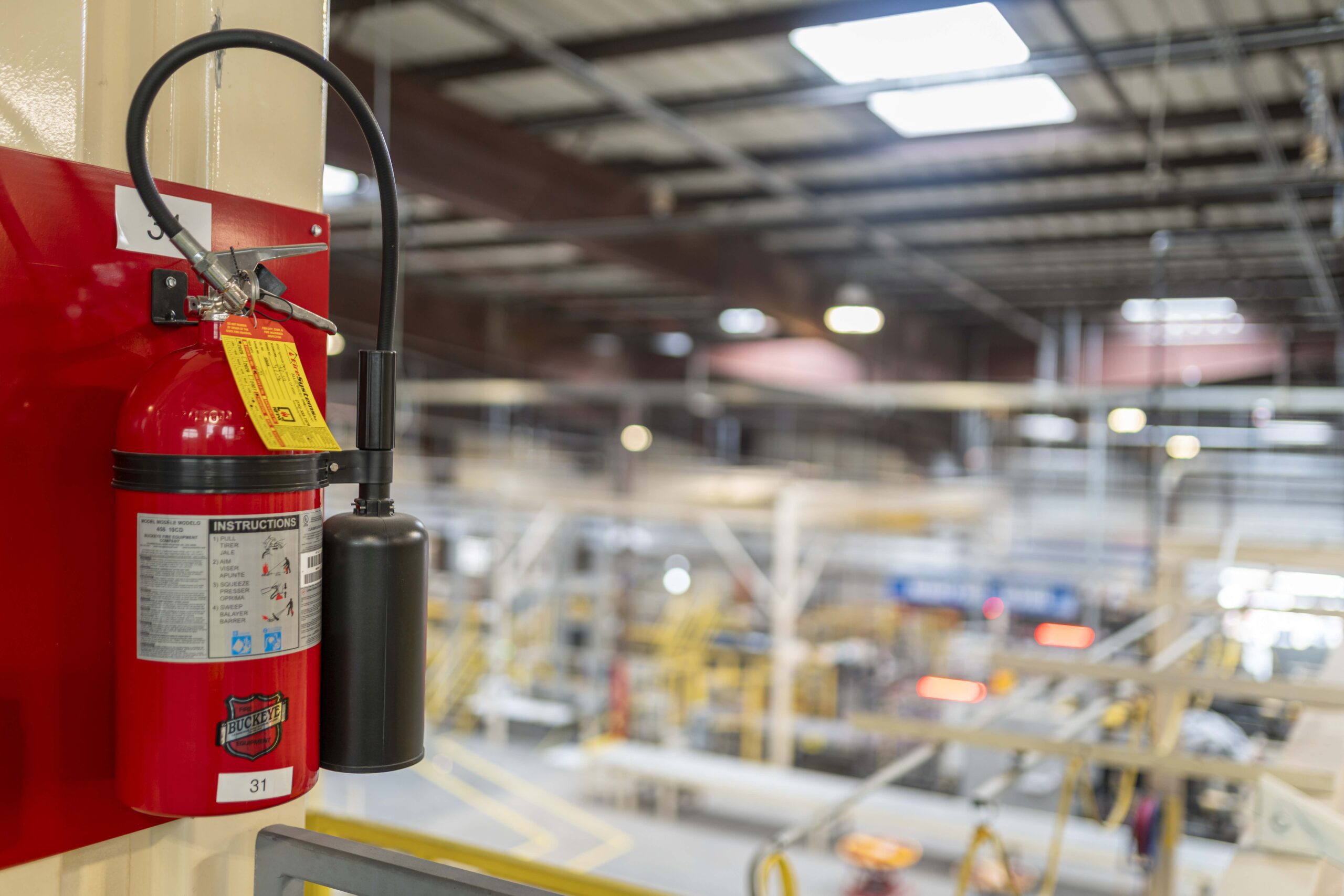
During an annual inspection, technicians examine equipment such as fire alarms, sprinkler systems, fire extinguishers, emergency lighting, and suppression systems to verify that they meet applicable fire codes and standards.
Organizations such as the National Fire Protection Association (NFPA) establish many of the inspection and testing requirements that businesses must follow.
Learn more: Fire Protection Inspection Services
Fire Protection Compliance Requires Year-Round Attention
Fire protection compliance goes beyond a yearly inspection. It involves maintaining systems, documenting service records, correcting deficiencies, training personnel, and meeting ongoing regulatory requirements.
For example, a building may pass an annual inspection but still fall out of compliance if equipment becomes damaged, maintenance records go missing, or system repairs remain unfinished.
Compliance also requires businesses to stay current with standards from organizations such as NFPA, OSHA and local Authorities Having Jurisdiction (AHJs). These agencies expect facilities to maintain safe conditions every day, not just during inspection season.
As a result, ongoing fire protection compliance many involve more frequent maintenance. Many life safety systems require testing, maintenance, and documentation throughout the year. Common examples include:
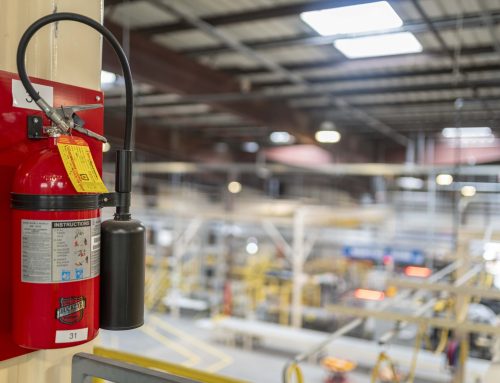
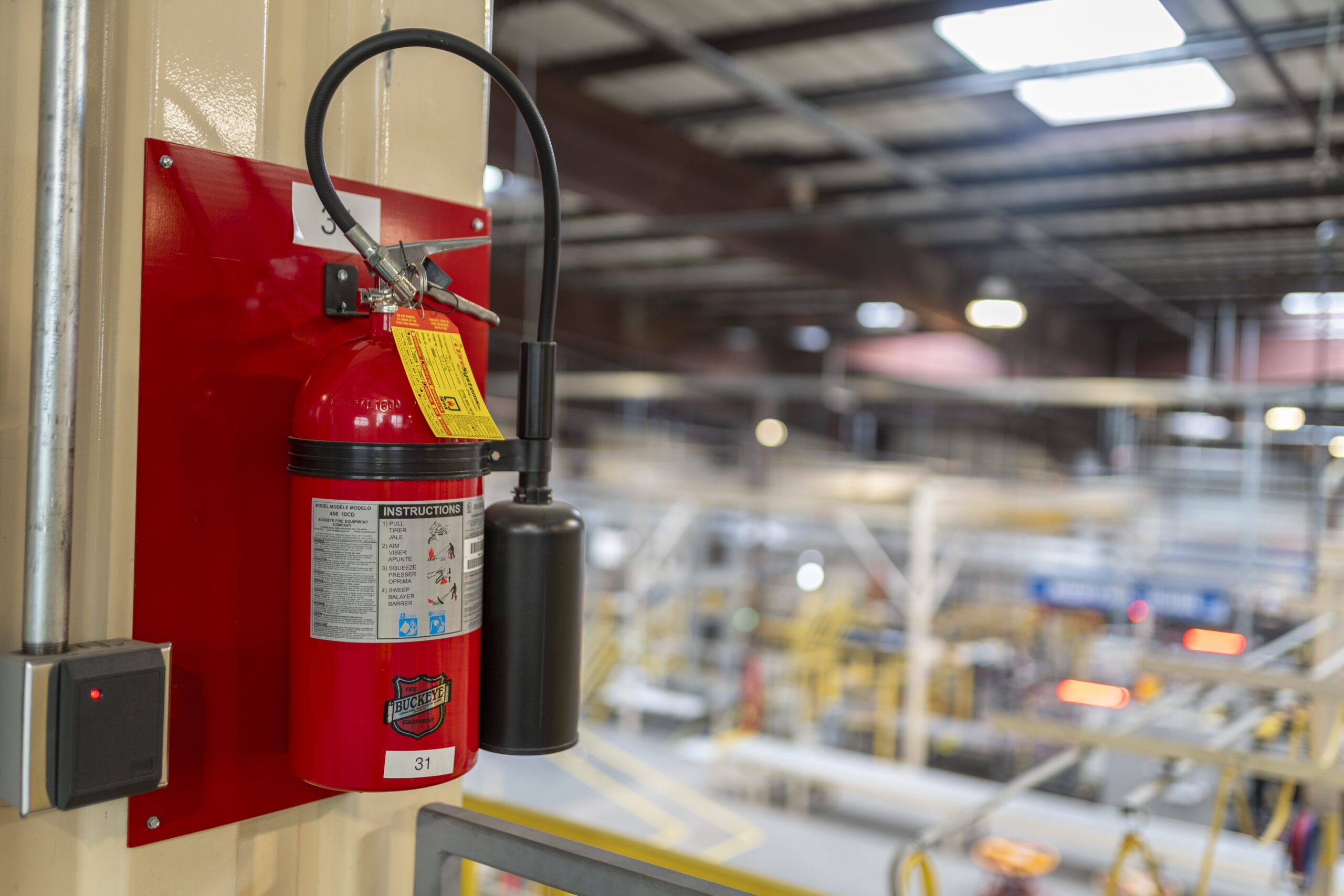
- Monthly fire extinguisher inspections
- Quarterly sprinkler system testing
- Semi-annual fire alarm and suppression system maintenance
- Weekly or monthly fire pump testing
These recurring requirements help ensure systems remain operational between annual inspections and continue to meet state and local code requirements.
Why Both Matter
Annual fire inspections help verify that systems function correctly. Ongoing fire protection compliance ensures those systems continue to perform when an emergency occurs.
A strong compliance strategy includes routine testing, scheduled maintenance, documentation management, and prompt repairs. It also includes preparing for visits from local fire officials.
Gaps in fire protection can easily develop between inspections. Businesses that treat fire protection as an ongoing process rather than a once-a-year requirement often achieve better safety outcomes and stronger regulatory compliance. There’s also the likelihood for fewer violations and less downtime when repairs are needed.
Partner with Fire Systems for Complete Fire Protection Services
Whether you need annual fire inspections, system maintenance, monitoring, or comprehensive fire protection services, Fire Systems helps businesses stay compliant and protected year-round. Our experienced team provides inspection, installation, repair, and monitoring solutions tailored to commercial and industrial facilities across Georgia and the Southeast.
Ready to strengthen your fire protection compliance program? Take a proactive approach to fire protection today.
Visit our website to learn more and find out how we can help or call us at 770-333-7979 to speak with a fire protection specialist today.