Industrial facilities face a wide range of potential fire hazards, from production equipment and electrical systems to combustible materials and changing storage conditions. Some risks, however, can be easy to overlook during day-to-day operations.
Even facilities with fire sprinklers, alarms, and other protection systems can develop new hazards when equipment, materials, processes, or storage conditions change.
Here are five industrial fire hazards facility owners and managers should keep on their radar.
- Combustible Dust
Wood, plastic, rubber, food products, pharmaceuticals, and certain metals can produce combustible dust during manufacturing or processing. When dust accumulates on equipment, elevated surfaces, or inside concealed areas, an ignition source can turn that buildup into a serious fire hazard.
Facilities that generate combustible dust should evaluate their materials, production processes, dust collection systems, and housekeeping practices to determine where additional fire protection may be necessary, or helpful.
- Electrical Rooms and Equipment
Electrical rooms may sit away from active production areas, but electrical equipment can still provide a source of ignition.
Overheating components, electrical arcing, damaged equipment, and dust accumulation can all increase fire risk. Electrical rooms can also become unofficial storage areas, putting combustible materials too close to electrical equipment.
Keep electrical rooms clear of unnecessary storage and include electrical equipment in routine inspection and maintenance programs.
- Storage Changes
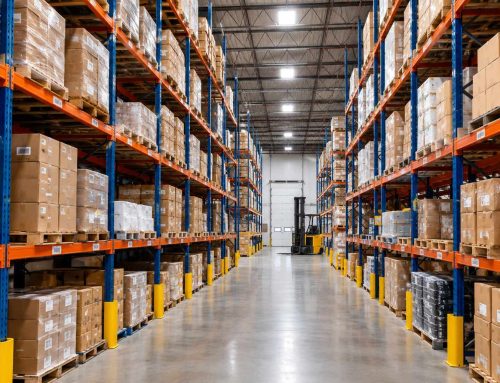
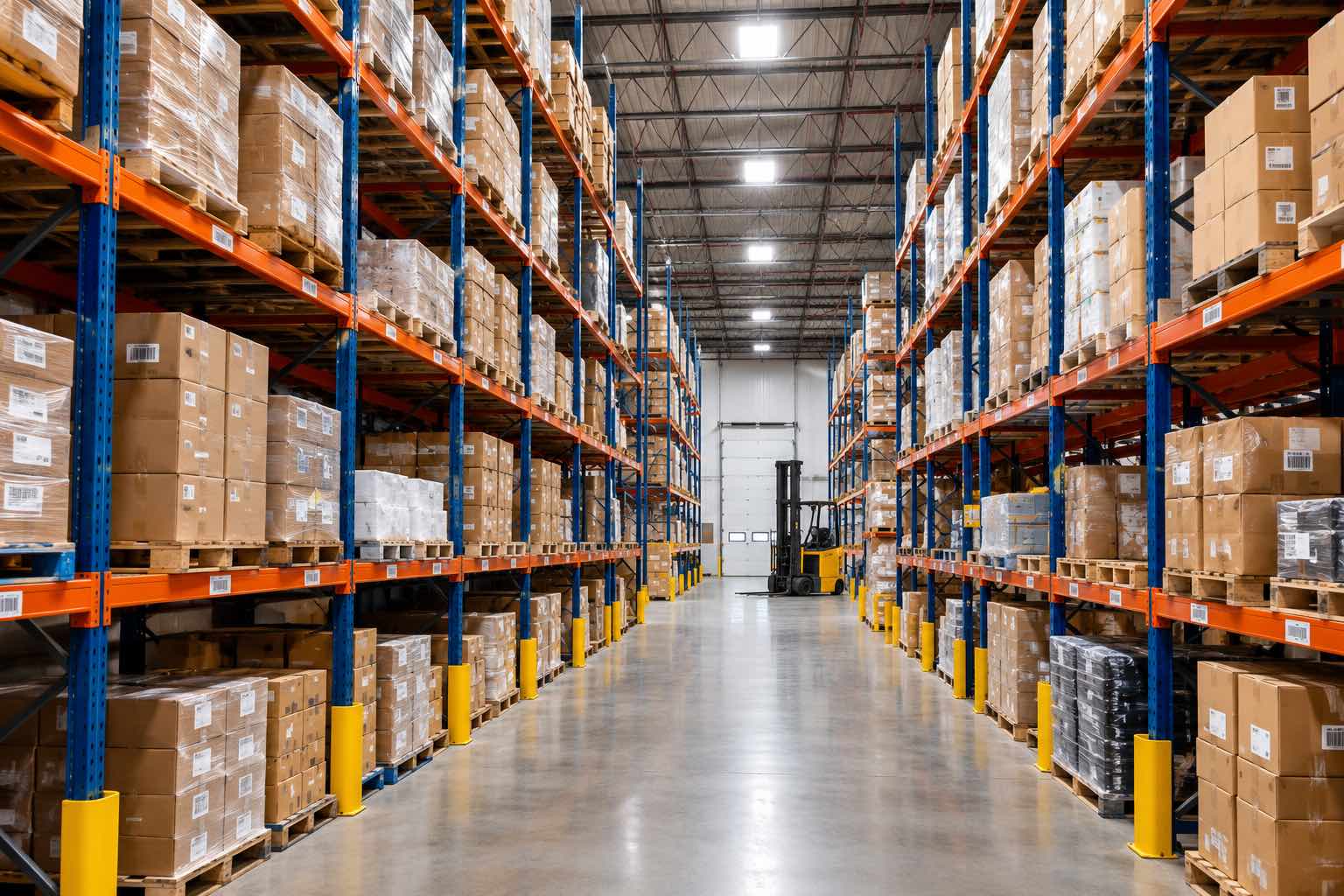
Industrial facilities often change how and what they store as operations grow. Increasing storage height, changing rack configurations, or introducing new commodities can alter the fire hazard inside a facility.
These warehouse storage changes can also affect fire sprinkler requirements. A sprinkler system designed around specific storage conditions may not provide the same level of protection after significant changes.
Before changing storage arrangements, evaluate whether the existing fire sprinkler system can accommodate the new conditions.
Related reading: Why Warehouse Storage Changes Often Trigger Fire Protection Upgrades
- Hot Work
Welding, cutting, grinding, and other hot work activities introduce heat and sparks into industrial environments. The biggest risk may not be the work itself, but the combustible materials surrounding it.
Sparks can travel beyond the immediate work area, while heat can transfer through metal surfaces, walls, and floors. A proper hot work program should address combustible materials, work-area inspections, fire watches, and post-work monitoring.
- Overheating Machinery
Industrial machinery often operates for long periods under demanding conditions. Motors, bearings, conveyors, and other equipment can generate excessive heat when components wear out, malfunction, or receive inadequate maintenance.
Regular preventive maintenance can help identify unusual temperatures, friction, electrical arcing, and other warning signs before they create a larger fire hazard.
Keeping combustible materials away from equipment and maintaining good housekeeping around production areas can also reduce fire risk.
Don’t Overlook Changing Fire Hazards
Some of the most important fire hazards in industrial facilities can develop gradually as operations change. New equipment, different materials, increased storage, combustible dust, or temporary hot work can all introduce risks that weren’t present when the facility’s fire protection system was originally designed.
Regular inspections and maintenance can help identify these hazards before they become serious problems.
Need help evaluating your facility’s fire protection? Fire Systems provides inspections, maintenance, repairs, and other fire protection services for industrial facilities.
Call Fire Systems at 770-333-7979 or to discuss your facility’s fire protection needs, or visit our website to learn more.