

Search fire protection topics:
How to Prepare for an Unannounced Fire Marshal Visit
During a fire marshal visit, a representative from the fire [...]
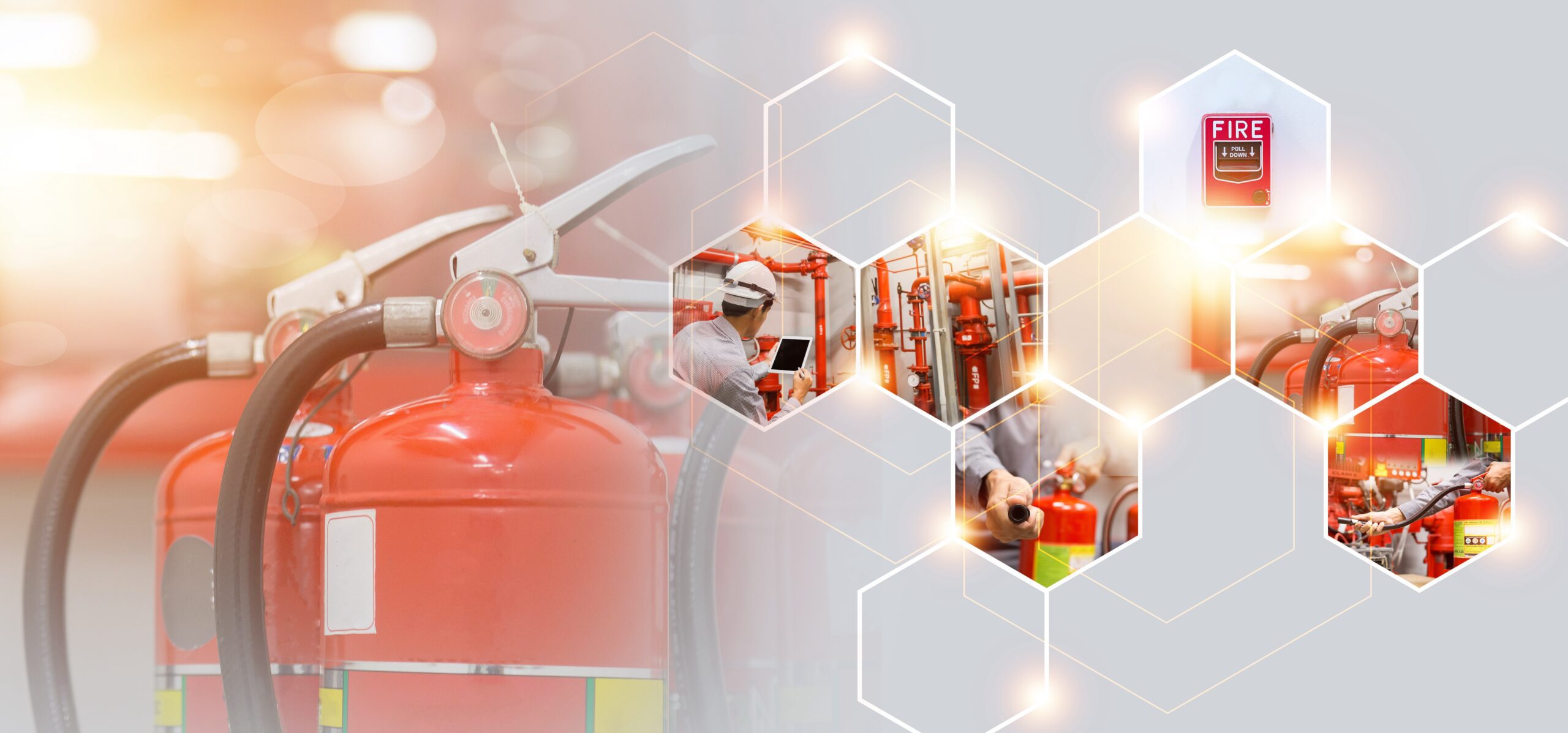
The Hidden Risk of Using Multiple Fire Protection Vendors
Splitting fire protection services like inspections, repairs, and monitoring, may [...]

What a Yellow Tag Really Costs Your Facility
Receiving a yellow tag upon inspection of your buildings’ fire [...]
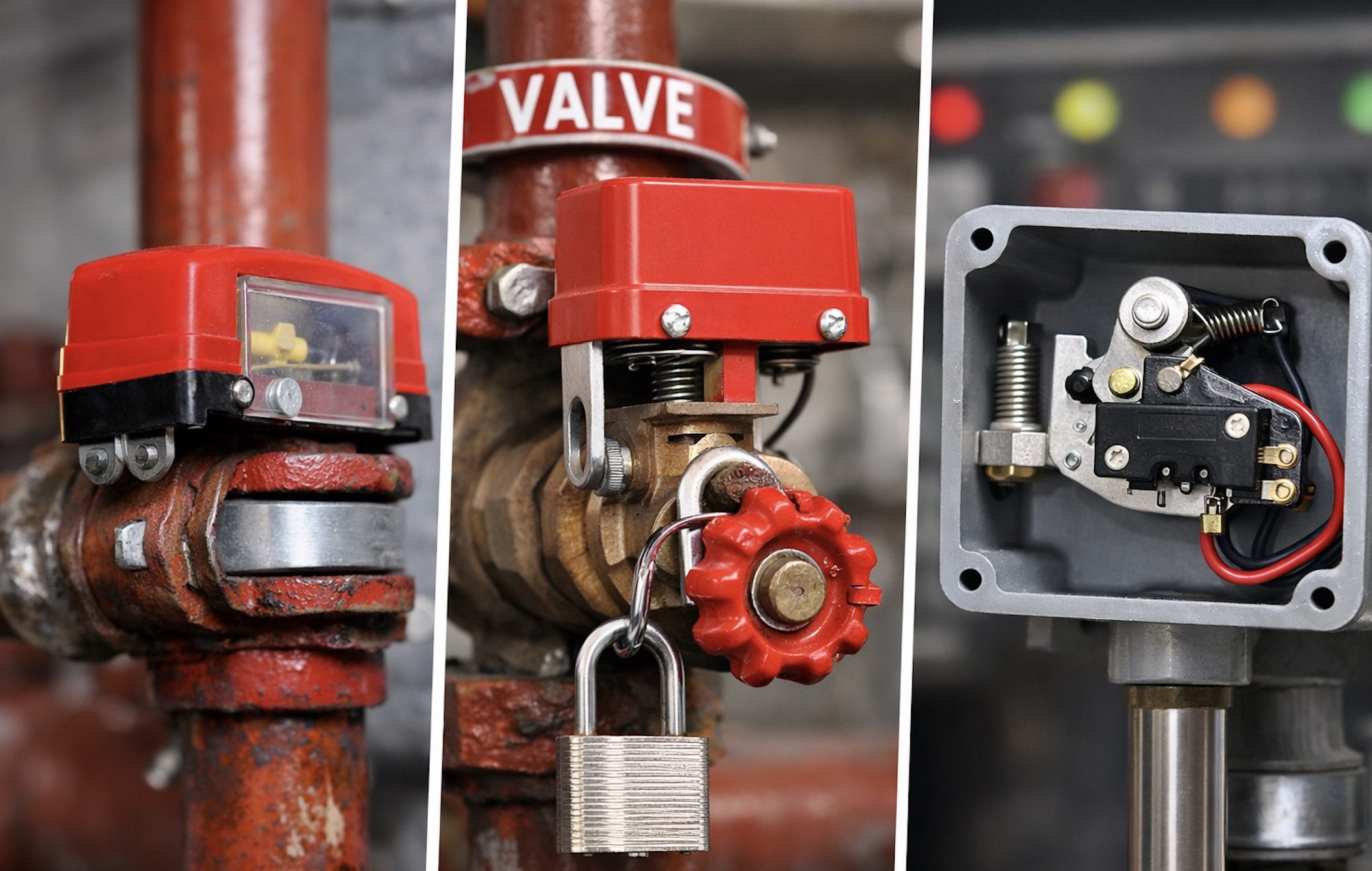
Understanding the Difference Between Waterflow, Tamper, and Supervisory Switches
Beyond pipes and sprinkler heads, three of the most important [...]

Predictive Maintenance: How AI Is Changing Fire System Monitoring and Service Intervals
Fire protection systems rely on regularly scheduled inspections and preventative [...]
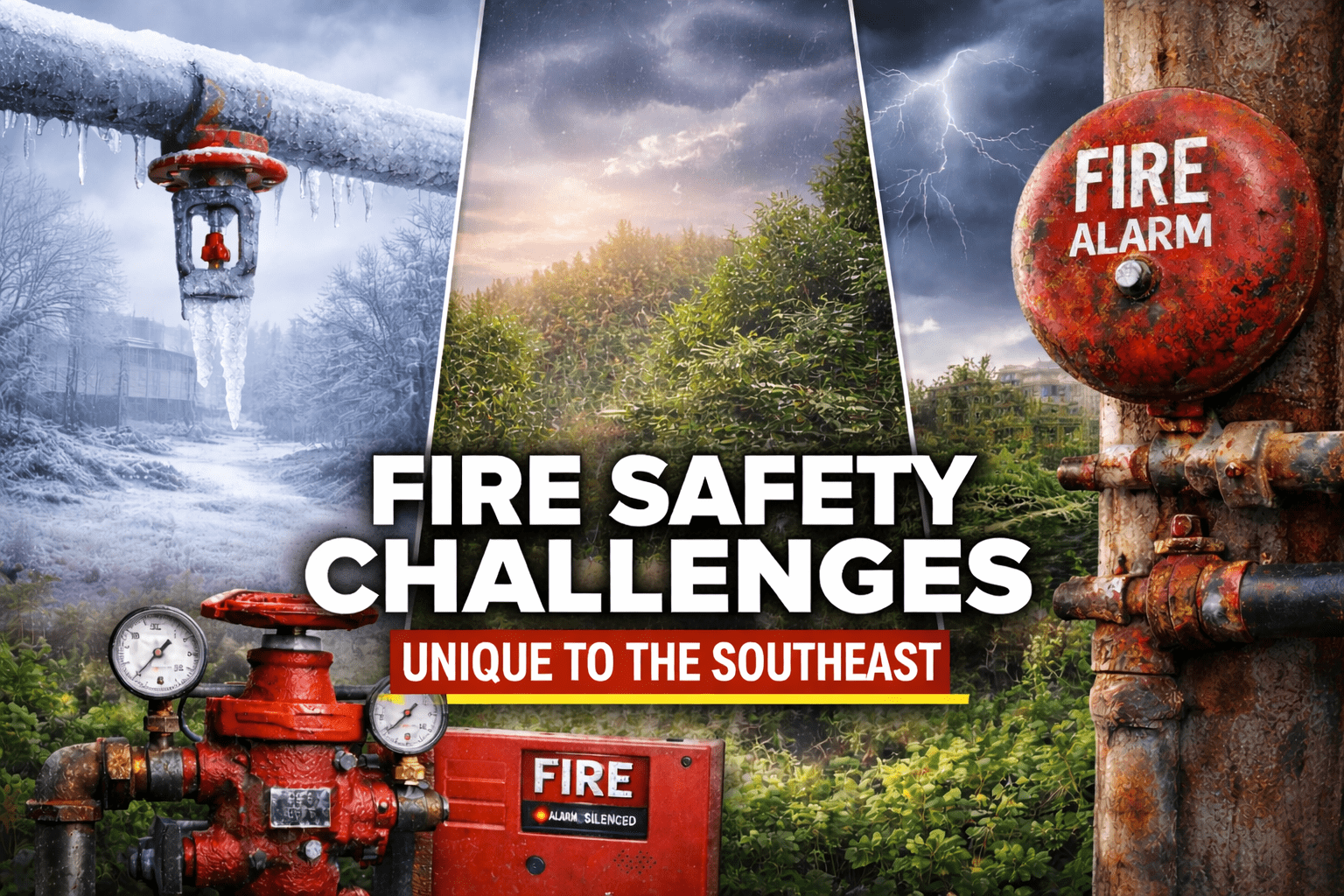
Fire Safety Challenges Unique to the Southeast: Humidity, Corrosion, & Seasonal Risks
Mixed climates, high humidity, and rapid temperature shifts can make [...]
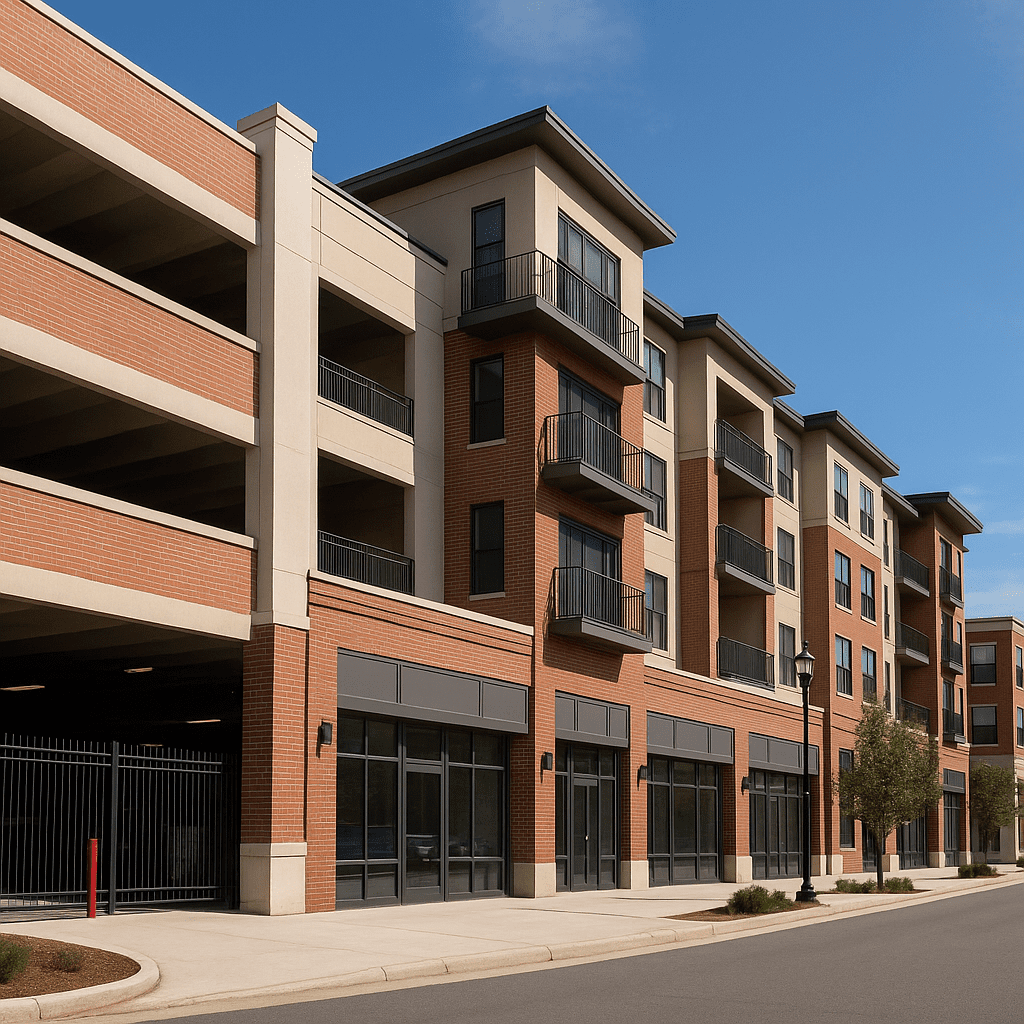
Most Overlooked Fire Risks in Mixed-Use Developments
In Atlanta, mixed-use developments continue to grow in popularity, offering [...]

Wireless & Battery-Backed Fire Detectors: Smart Retrofits for Aging Commercial Properties
Older commercial buildings across the Southeast face a unique challenge: [...]
The Hidden ROI of a Well-Maintained Fire Protection System
Preventive fire system management provides a measurable return on investment [...]
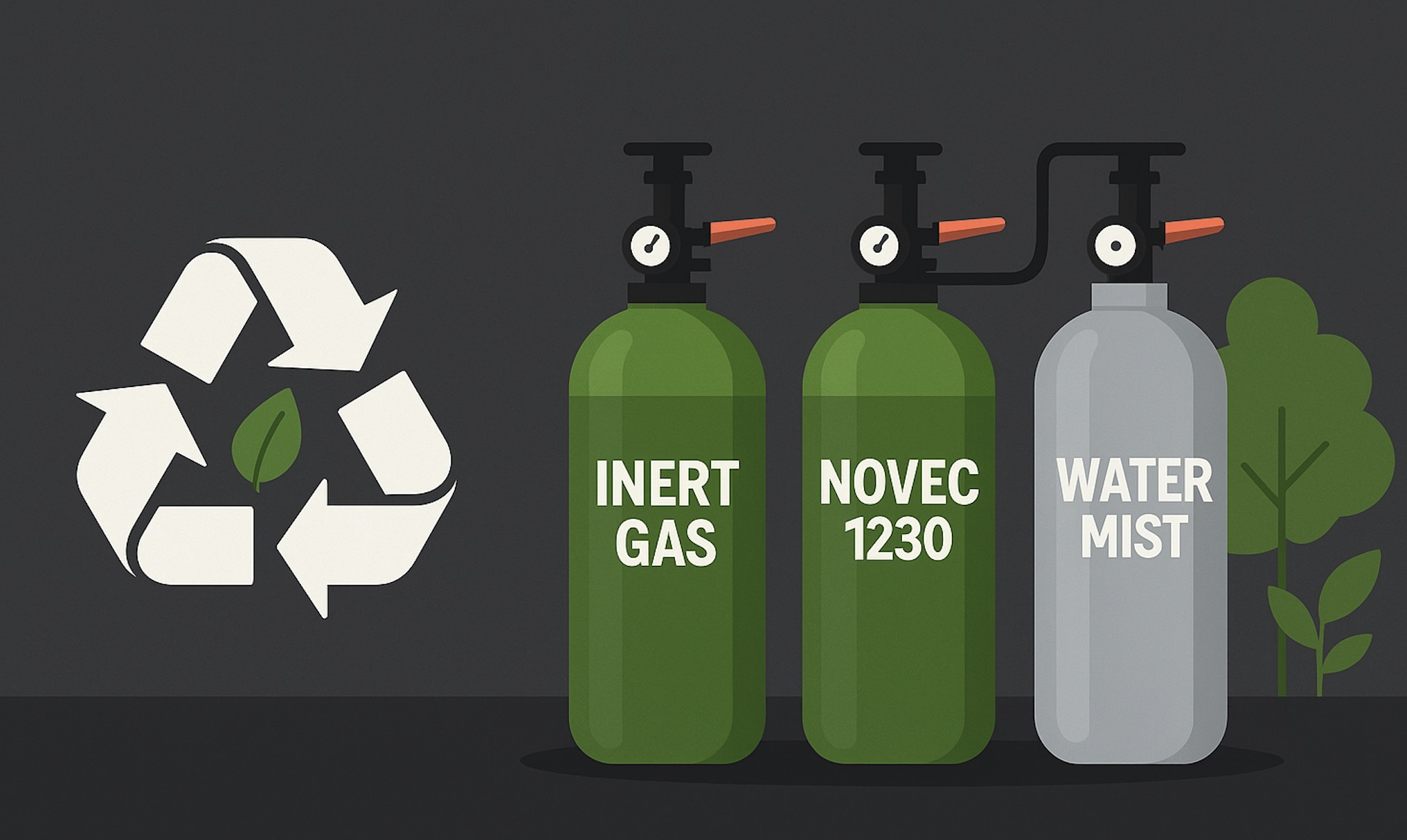
Beyond Water: The Rise of Eco-Friendly Fire Suppression Agents in the Southeast
Eco-friendly suppression agents offer safer, cleaner, and more sustainable fire [...]

Heat vs. Smoke Detection: Which Fire Alarm Sensors Provide the Fastest Response?
Smoke detectors provide the fastest response to fire because smoke [...]
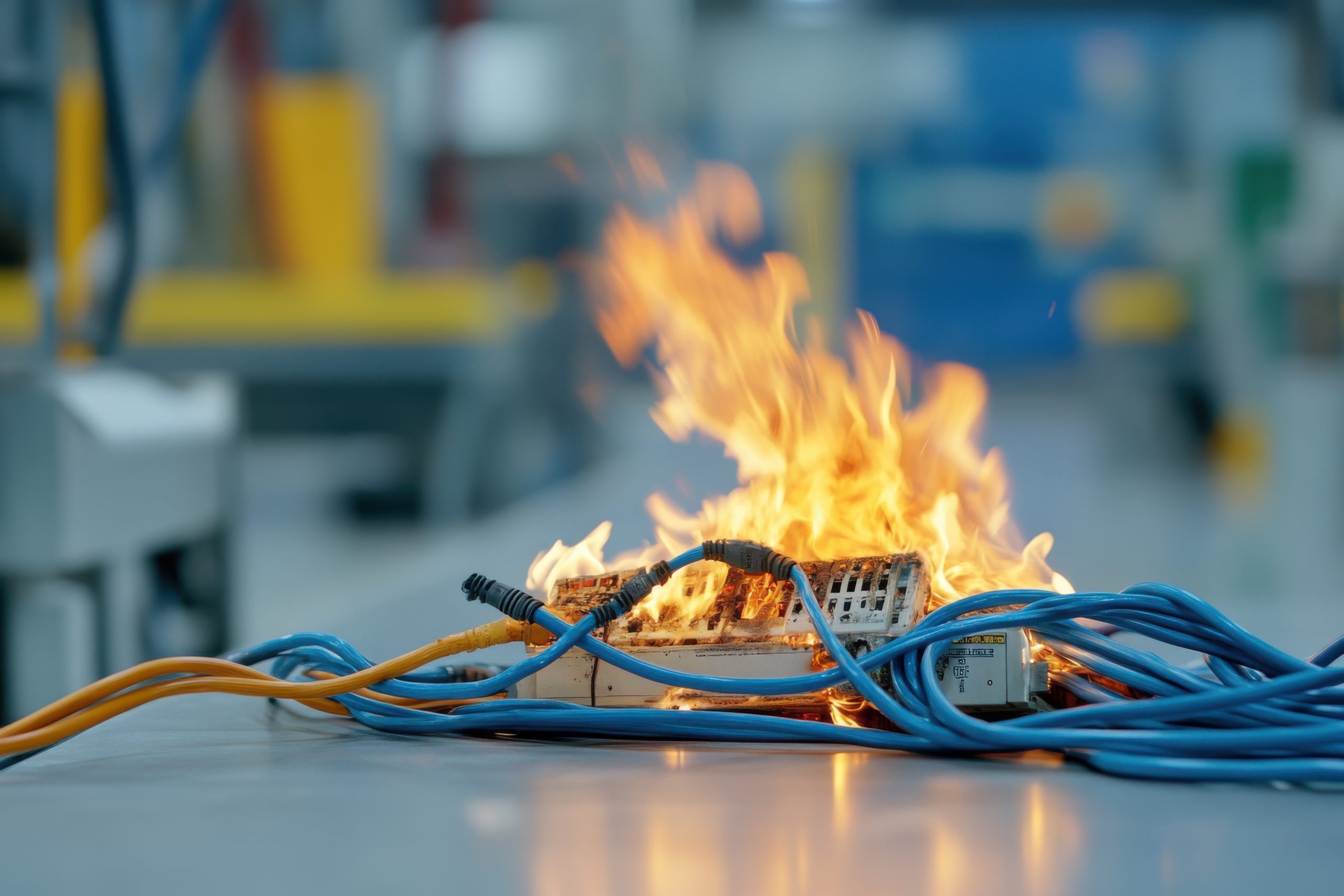
Understanding Fire Risk Assessments: How to Identify and Mitigate Hazards
Fire risk assessments can be a helpful tool for identifying [...]
Join Our Community

🚧 Changing the way you store materials can change your fire protection requirements.
Warehouse storage changes involving rack configuration, commodity classification, or storage height can affect the fire hazard inside your facility. If those changes exceed the conditions your existing sprinkler system was designed to handle, you may need to make upgrades to maintain adequate protection and meet applicable requirements.
Before increasing storage heights, changing rack configurations, or bringing new materials into your warehouse, find out whether your fire sprinkler system can handle the new conditions.
Our latest article explains what warehouse operators need to know about:
✔ Rack storage
✔ Commodity classification
✔ Storage height
✔ Fire sprinkler system requirements
✔ When storage changes may require an upgrade
👉 Read the full article: firesystems.net/2026/09/24/why-warehouse-storage-changes-often-trigger-fire-protection-upgrades/
#Warehouse #firesprinklermaintenance #FireProtection #WarehouseSafety #NFPA13 #FireCodeCompliance #FacilityManagement #IndustrialSafety and #WarehouseStorage

Why Warehouse Storage Changes Often Trigger Fire Protection Upgrades - Fire Systems, Inc.
firesystems.net
When warehouse operators change the way they store materials, they may find that their existing fire sprinkler system is no longer adequate for the new setup. Warehouse storage changes involving produ...
🚨 Has your facility changed since your fire protection systems were installed?
New equipment, expanded storage, changes to production processes, or new materials can all affect your facility’s fire risk and protection requirements.
A fire protection risk assessment can help identify potential hazards, evaluate your existing systems, and uncover issues before they lead to failed inspections, costly modifications, or business interruptions.
Our latest article walks facility owners and plant managers through the key steps of conducting a fire protection risk assessment.
👉 Read the full article: ow.ly/5oro50ZMupN
#FireSafety #FacilityManagement #FireCodeCompliance #IndustrialSafety #FireSprinklers #SafetyFirst #RiskAssessment #BusinessSafety #AtlantaBusiness #BuildingSafety #WorkplaceSafety #Compliance #FirePrevention #SafetyTips
How to Conduct a Fire Protection Risk Assessment for Your Facility - Fire Systems, Inc.
ow.ly
As facilities expand, change processes, or introduce new equipment, fire risks can change as well. Conducting a fire protection risk assessment helps facility owners and plant managers identify potent...
💧 Does water-based fire protection put data centers at risk?
It’s a common concern. Sensitive servers and electrical equipment don't mix well with water, but that doesn't mean data centers should go without automatic sprinkler protection.
Modern data center #fireprotection uses a layered approach that may include very early smoke detection, clean agent suppression, and specialized pre-action #sprinklersystem.
Pre-action systems can help minimize the risk of accidental water discharge by keeping water out of the sprinkler piping until the system's activation sequence is initiated.
Check out the full article for more information: firesystems.net/2026/08/22/why-water-isnt-always-the-enemy-in-data-center-fire-protection/
#fireprotectioncompany#firesafety#datacenter#serverroom#preactionsystem#sprinklerinstallation#SprinklerSystemRepair
Why Water Isn't Always the Enemy in Data Center Fire Protection - Fire Systems, Inc.
firesystems.net
Data centers house mission-critical equipment that supports everything from cloud computing to financial transactions. Because of the value of this equipment, many facility managers might think that w...
Could hidden corrosion be putting your fire sprinkler system at risk?
In food processing facilities, moisture, washdowns, cleaning chemicals, and temperature fluctuations create the perfect environment for corrosion inside fire sprinkler systems. The problem? Much of the damage happens where you can't see it—inside the piping.
Over time, corrosion can:
✅ Restrict water flow
✅ Cause pinhole leaks
✅ Shorten system life
✅ Compromise performance when you need it most
Our latest article explains why food processing facilities are especially vulnerable, warning signs to watch for, and proactive steps you can take to protect your facility.
Read the full article here: firesystems.net/2026/07/22/corrosion-in-fire-sprinkler-systems-what-food-processing-facilities-ne...
Have questions about your sprinkler system? Our team is here to help. Call us at #770-333-7979 or visit our website at firesystems.net
#fireprotection#foodprocessing#firesprinklers#FacilityMaintenance#IndustrialSafety#NFPA#Preventivemaintenance
firesystems.net
Frequent washdowns, high humidity, refrigeration, and changing temperatures can create conditions that accelerate corrosion in fire sprinkler systems in food processing facilities. As a result, food p...


